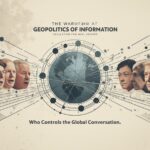

Power in the modern international system is no longer limited to military strength or economic capacity. The ability to shape global opinion, influence values, and define identity has become an essential component of international relations. This is known as soft power — the capacity to attract and persuade rather than coerce.
In the 21st century, soft power operates through media, cultural exchange, education, and digital communication. This article examines how soft power functions, how states and organizations use it to influence others, and how technology has transformed the global landscape of culture and identity.
2. Understanding Soft Power
2.1 Definition and Concept
- Soft power is the ability to influence others through attraction and persuasion rather than force or payment.
- It operates through culture, values, political systems, and foreign policy credibility.
- The term gained prominence in international relations to describe influence that complements traditional hard power.
2.2 Components of Soft Power
- Cultural influence: transmission of ideas, values, and lifestyles.
- Political values: governance models and principles that others find appealing.
- Foreign policy: credibility, trust, and moral authority in global affairs.
2.3 Soft Power vs. Hard Power
- Hard power relies on coercion through military or economic means.
- Soft power builds preference and legitimacy, reducing the need for compulsion.
- Effective global strategy combines both into what is called smart power.
3. Evolution of Soft Power
3.1 Historical Context
- Early empires projected cultural influence through language, religion, and trade.
- The 20th century introduced mass communication as a new soft power tool.
- During the Cold War, cultural competition between blocs became a major strategic instrument.
3.2 Globalization and Cultural Exchange
- Global interconnectedness expanded the reach of media and ideas.
- Cultural industries such as cinema, music, and literature became international.
- Education and tourism enhanced people-to-people interaction across regions.
3.3 Digital Transformation
- The rise of the Internet and social media changed the structure of influence.
- Communication networks allow individuals and non-state actors to participate in global discourse.
- The accessibility of information increased both opportunities and challenges for soft power projection.
4. Media as a Soft Power Instrument
4.1 Global Media Networks
- Major international media outlets influence perception of global events.
- Control of narrative and framing affects legitimacy and understanding.
- Competition among networks reflects underlying geopolitical dynamics.
4.2 State Media and Public Diplomacy
- Governments use media to promote national perspectives abroad.
- Broadcasting in multiple languages expands audience reach.
- State media operations integrate news, culture, and education to shape image.
4.3 Independent and Digital Media
- Independent journalists and social platforms create decentralized influence.
- Online media enables new forms of narrative creation and debate.
- Verification and reliability remain central issues in the open information environment.
5. Cultural Power in the Global Arena
5.1 Cultural Exports
- Film, television, and music industries serve as tools for cultural outreach.
- Cultural exports establish familiarity and acceptance of national identity.
- Intellectual property and creative industries become strategic assets.
5.2 Language and Education
- Language acts as a carrier of ideas and values.
- Global demand for language education reflects influence aspirations.
- Universities function as bridges for cultural exchange and soft power diffusion.
5.3 Heritage and Global Image
- Preservation and presentation of cultural heritage strengthen identity.
- Museums, exhibitions, and festivals promote understanding across societies.
- Cultural diplomacy enhances mutual recognition and long-term cooperation.
6. The Role of Technology in Soft Power
6.1 Digital Platforms and Connectivity
- Social media and streaming platforms distribute cultural content globally.
- Algorithms determine visibility, shaping perception across audiences.
- Digital connectivity reduces barriers to cross-cultural communication.
6.2 Information and Narrative Control
- The digital environment amplifies both positive and negative narratives.
- States and corporations compete to shape global discourse.
- Transparency and credibility are key to sustainable influence.
6.3 Artificial Intelligence and Cultural Production
- AI supports translation, content generation, and audience analysis.
- Automation accelerates dissemination but raises questions about authenticity.
- Technological leadership reinforces cultural presence in the global system.
7. Education and Academic Exchange
7.1 Universities as Soft Power Actors
- International education attracts students who become cultural ambassadors.
- Academic institutions create long-term intellectual and professional links.
- Research partnerships enhance mutual understanding and trust.
7.2 Scholarships and Exchange Programs
- Governments invest in scholarships to build international goodwill.
- Alumni networks extend influence across professional and political fields.
- Exchanges foster personal experience and cultural familiarity.
7.3 Knowledge Diplomacy
- Collaboration in science and research promotes global problem-solving.
- Joint academic projects contribute to credibility and respect.
- Knowledge sharing supports innovation and inclusive development.
8. Global Identity and Cultural Interaction
8.1 Globalization of Identity
- Migration, communication, and digital media create hybrid identities.
- Individuals navigate multiple cultural references simultaneously.
- Shared global issues such as climate and technology shape collective identity.
8.2 Cultural Hybridization
- Global culture evolves through adaptation and exchange.
- Local traditions integrate external influences while maintaining continuity.
- Hybrid cultural forms reflect interconnectedness rather than uniformity.
8.3 The Role of Diasporas
- Diaspora communities link home and host countries.
- They transmit culture, investment, and innovation across borders.
- Diaspora engagement supports both national image and global inclusion.
9. Regional Soft Power Dynamics
9.1 North America and Europe
- Media, education, and technology underpin long-term influence.
- Cultural institutions and global entertainment shape perceptions.
- The emphasis remains on openness and network-based attraction.
9.2 Asia
- Countries invest in culture, education, and technology for global outreach.
- Initiatives such as cultural festivals, language programs, and creative industries expand visibility.
- Regional cooperation supports mutual cultural recognition.
9.3 Africa, Latin America, and the Middle East
- Regional narratives emphasize cultural heritage and social development.
- Investment in media and education enhances representation.
- Cultural collaboration strengthens South-South communication and understanding.
10. The Role of International Organizations
10.1 UNESCO and Cultural Cooperation
- Promotes cultural preservation and educational exchange.
- Coordinates global efforts to protect heritage and promote creativity.
- Encourages dialogue through international cultural initiatives.
10.2 The United Nations and Soft Power
- The UN facilitates cultural diplomacy and information exchange.
- Development and peacebuilding programs integrate cultural understanding.
- Communication strategies support consensus building among diverse members.
10.3 Non-Governmental and Private Actors
- NGOs and cultural foundations extend soft power beyond governments.
- Private sector investment in creative industries enhances visibility.
- Collaboration between state and non-state actors multiplies influence.
11. Measuring Soft Power
11.1 Indicators and Metrics
- Soft power measurement includes reputation, culture, governance, and global engagement.
- Indices developed by research institutions assess comparative influence.
- Quantitative and qualitative analysis complement perception studies.
11.2 Challenges in Measurement
- Cultural impact is subjective and context-dependent.
- Influence evolves over time and through multiple interactions.
- Comparative evaluation requires cross-disciplinary methodology.
11.3 Role of Public Opinion
- Global surveys reflect perception and trust in different nations.
- Public diplomacy efforts monitor and adapt to changing sentiment.
- Communication transparency builds sustainable soft power credibility.
12. Soft Power in Global Governance
12.1 Norm Building and Agenda Setting
- Soft power shapes international norms through persuasion and cooperation.
- States influence global debates on human rights, environment, and development.
- Consensus formation depends on legitimacy and participation.
12.2 Diplomacy and Multilateral Engagement
- Cultural and public diplomacy enhance participation in global forums.
- Multilateral organizations rely on dialogue rather than coercion.
- Collaboration promotes problem-solving and shared leadership.
12.3 Soft Power and Global Challenges
- Issues such as climate change and technology regulation require cooperative legitimacy.
- States use soft power to mobilize global action and build alliances.
- Credibility determines effectiveness in global leadership roles.
13. Private Sector and Cultural Influence
13.1 Corporate Soft Power
- Global corporations influence culture through branding and communication.
- Corporate social responsibility contributes to public perception.
- Companies become actors in public diplomacy through innovation and outreach.
13.2 Creative Industries and Global Markets
- Film, design, and digital media industries drive cross-cultural interaction.
- Market access and collaboration foster cultural understanding.
- Intellectual property rights protect diversity and sustainability.
13.3 Technology Companies as Cultural Intermediaries
- Platforms distribute cultural content across borders.
- Algorithms and curation policies influence global narratives.
- Responsibility in content management affects credibility and trust.
14. Challenges of Soft Power in the Digital Era
14.1 Information Overload
- Excessive information reduces attention and clarity.
- Competing narratives challenge message consistency.
- Media literacy becomes essential for informed engagement.
14.2 Disinformation and Credibility
- Misleading information damages trust and reputation.
- Fact-checking and transparency maintain long-term influence.
- Collaborative monitoring reduces manipulation risks.
14.3 Cultural Resistance and Misinterpretation
- Cultural export may face resistance or miscommunication.
- Dialogue and sensitivity ensure mutual understanding.
- Respect for diversity enhances sustainable soft power relationships.
15. The Future of Soft Power
15.1 Integration with Technology
- Artificial intelligence and virtual reality will redefine cultural interaction.
- Digital diplomacy and online education expand reach.
- Innovation will remain essential to relevance in global influence.
15.2 Shared Global Culture
- Global connectivity fosters common cultural references.
- Collaboration in science, environment, and education promotes shared identity.
- Cultural inclusivity supports long-term stability in the international system.
15.3 Sustainable Soft Power
- Long-term influence requires authenticity and ethical engagement.
- Mutual respect and cooperation strengthen international credibility.
- Future power structures will depend more on connection than dominance.