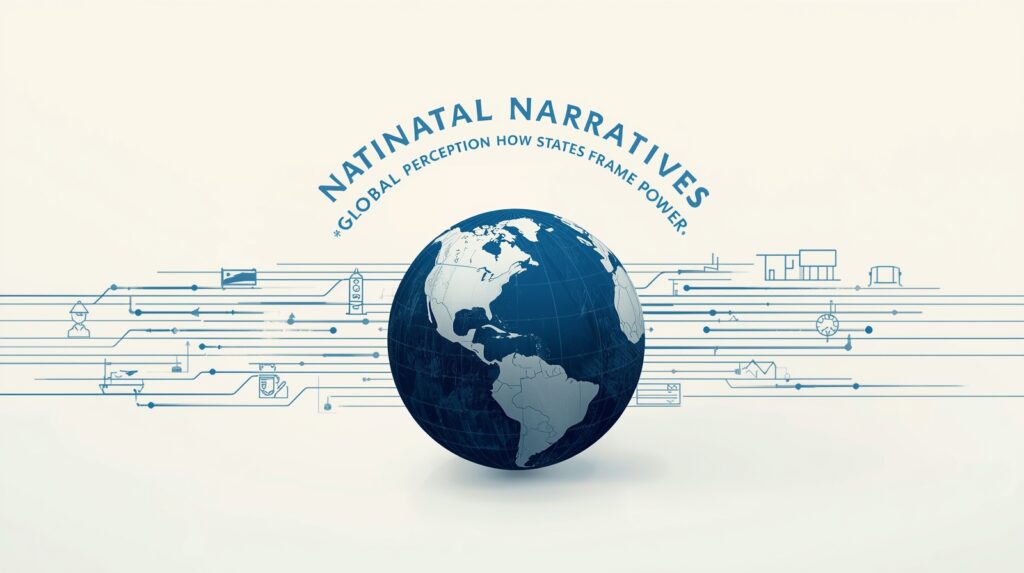

National narratives are central to how states define themselves and project power in the international system. Beyond military or economic capability, influence depends on how a country communicates its identity, history, and purpose to both domestic and global audiences.
The way states frame their stories shapes global perception. Through education, diplomacy, media, and culture, governments and institutions create versions of reality that serve strategic objectives. This article examines how national narratives operate as tools of power, how they evolve, and how global audiences interpret and respond to them.
2. Understanding National Narratives
2.1 Definition and Function
- A national narrative is a shared story that explains a country’s origins, values, and purpose.
- It connects citizens to a collective identity and legitimizes political authority.
- Externally, it communicates a coherent image of the nation to the global community.
2.2 Narratives and Power
- Narratives shape legitimacy by influencing perception and interpretation.
- They guide foreign policy decisions and justify national interests.
- Global influence depends on how effectively a nation’s narrative resonates with others.
2.3 The Relationship Between Narrative and Perception
- Global perception results from continuous communication between nations.
- Narratives compete, overlap, and evolve through interaction.
- States use narrative framing to highlight values and minimize contradictions.
3. The Historical Roots of National Narratives
3.1 Formation of Modern National Stories
- The rise of nation-states in the 19th century created new political myths.
- Historical events were reinterpreted to unify populations and define purpose.
- Education systems institutionalized these narratives through textbooks and symbols.
3.2 Colonialism and Postcolonial Narratives
- Colonial powers constructed narratives of civilization and order.
- Newly independent nations developed counter-narratives emphasizing liberation and sovereignty.
- Postcolonial storytelling remains a foundation for modern identity and diplomacy.
3.3 Cold War Ideologies
- Competing political systems used narratives to define legitimacy.
- Democracy, communism, and development were presented as universal paths.
- Cultural and informational exchange became instruments of ideological influence.
4. The Mechanisms of Narrative Construction
4.1 Political Leadership
- Leaders articulate national purpose through speeches, policy statements, and symbolism.
- Leadership language frames both internal unity and external reputation.
- Changes in leadership often shift national narratives to match political priorities.
4.2 Institutions and Education
- Education systems reproduce official versions of history and identity.
- National holidays, monuments, and curricula establish shared understanding.
- Institutions preserve continuity between past and present narratives.
4.3 Media and Communication
- State and private media shape collective memory and interpretation.
- Public broadcasting promotes unity, while global networks influence perception abroad.
- Framing of events defines meaning and credibility.
5. Framing and Power in Global Communication
5.1 The Role of Framing
- Framing selects aspects of reality to emphasize while omitting others.
- States frame issues to align global perception with their strategic interests.
- Control of framing influences public opinion and diplomatic outcomes.
5.2 Strategic Communication
- Governments coordinate messages across institutions for consistency.
- Diplomatic channels, press briefings, and international campaigns reinforce the national message.
- Strategic communication transforms information into influence.
5.3 Competing Frames
- Different states interpret the same event through distinct lenses.
- Media competition generates multiple versions of truth.
- The interaction of frames determines how global audiences perceive legitimacy.
6. Case Studies of National Narratives
6.1 The United States
- The U.S. promotes a narrative of democracy, freedom, and innovation.
- This narrative underpins alliances, trade relations, and soft power.
- Global reactions depend on the consistency between narrative and practice.
6.2 China
- China’s narrative emphasizes harmony, sovereignty, and development.
- Historical themes of humiliation and rejuvenation support domestic unity.
- Global initiatives such as the Belt and Road extend this narrative internationally.
6.3 Russia
- Russia constructs a story of resilience and independence.
- Historical continuity and national defense form central elements.
- Media and diplomacy reinforce themes of sovereignty and tradition.
6.4 The European Union
- The EU presents a narrative of integration, peace, and cooperation.
- The narrative supports multilateralism and collective governance.
- Internal challenges test coherence between ideal and reality.
7. Media, Technology, and Narrative Control
7.1 Global Media Networks
- International media institutions influence how national stories circulate.
- Ownership and editorial direction shape perception of global events.
- Media competition reflects broader geopolitical alignments.
7.2 Digital Platforms
- Social media enables rapid narrative creation and distribution.
- States use online campaigns to promote their image and counter criticism.
- Information ecosystems allow non-state actors to challenge official narratives.
7.3 Algorithmic Influence
- Algorithms determine which narratives gain visibility.
- Content curation creates echo chambers reinforcing selective perspectives.
- Control of digital infrastructure has become a strategic priority.
8. Cultural Diplomacy and Identity Projection
8.1 Culture as Narrative Expression
- Cultural exchange communicates values beyond formal politics.
- Film, literature, and art extend soft power through shared experience.
- Cultural diplomacy translates national narratives into universal forms.
8.2 Education and Language
- Language promotion strengthens global familiarity with national identity.
- Scholarships and educational partnerships create lasting connections.
- Universities act as narrative ambassadors in the global knowledge network.
8.3 Tourism and Heritage
- Presentation of history through tourism constructs national memory.
- Heritage sites and festivals communicate a curated version of identity.
- Cultural branding aligns with broader diplomatic objectives.
9. Competing Narratives in Global Politics
9.1 Ideological Competition
- Narratives reflect underlying political and economic systems.
- Competing ideologies frame global challenges in different terms.
- Soft power competition replaces traditional ideological confrontation.
9.2 Regional Storytelling
- Regions develop shared narratives to promote collective interests.
- Regional organizations coordinate cultural and communication strategies.
- Cooperation in narrative building supports political alignment.
9.3 Crisis and Narrative Adaptation
- Global crises reshape national self-perception and external communication.
- Governments reframe challenges to maintain legitimacy.
- Crisis narratives often define long-term identity trajectories.
10. The Role of Public Diplomacy
10.1 Communication with Foreign Audiences
- Public diplomacy aims to influence opinion abroad through dialogue.
- Embassies, media outlets, and cultural centers act as communication nodes.
- The effectiveness of diplomacy depends on credibility and consistency.
10.2 Nation Branding
- Countries manage their image through marketing-style campaigns.
- Branding emphasizes economic opportunity, innovation, or heritage.
- Successful branding aligns with the core national narrative.
10.3 Measuring Impact
- Surveys, media analysis, and cultural participation indicate perception.
- Long-term influence depends on trust rather than visibility.
- Evaluation links communication outcomes to strategic objectives.
11. Narratives and International Institutions
11.1 The United Nations and Shared Narratives
- The UN provides a platform for national stories to interact.
- Diplomatic speeches reinforce identity and legitimacy before a global audience.
- Multilateral communication shapes shared understandings of issues.
11.2 Global Media Events
- International summits and forums create moments of narrative competition.
- States seek to control coverage and interpretation of their participation.
- Symbolic visibility complements material negotiation outcomes.
11.3 Transnational NGOs
- Non-governmental organizations influence perception through advocacy.
- Their framing of issues can support or challenge state narratives.
- Collaboration with NGOs affects a state’s credibility in public opinion.
12. Domestic Audiences and Global Narratives
12.1 Internal Legitimacy
- National narratives maintain social cohesion and political stability.
- Alignment between domestic and international storytelling ensures credibility.
- Contradictions weaken both internal trust and external influence.
12.2 Political Polarization
- Competing internal narratives fragment national identity.
- Polarization affects how external messages are received abroad.
- Effective communication requires coherent domestic consensus.
12.3 Media and Public Opinion
- Domestic media translates global events into national contexts.
- Public interpretation influences government communication strategies.
- Interaction between domestic and international perception shapes overall image.
13. Information Competition and Perception Management
13.1 The Global Information Market
- States compete for visibility in a saturated information environment.
- Success depends on credibility, accessibility, and narrative clarity.
- The most influential narratives adapt quickly to new media forms.
13.2 Disinformation and Narrative Manipulation
- False or misleading information disrupts perception and trust.
- States develop counter-strategies to maintain informational integrity.
- Transparency and verification strengthen long-term narrative stability.
13.3 Trust as a Strategic Resource
- Credibility determines narrative effectiveness.
- States with transparent communication build lasting influence.
- Trust functions as both a soft power asset and a security factor.
14. The Global Audience
14.1 Diversity of Perception
- Global audiences interpret messages through cultural and historical filters.
- Context determines how narratives are received or resisted.
- Adaptation to local values enhances understanding.
14.2 Media Literacy
- Awareness of framing helps audiences evaluate information critically.
- Education systems play a role in developing interpretive skills.
- Media literacy reduces vulnerability to manipulation.
14.3 The Role of Civil Society
- Civil organizations mediate between state narratives and public opinion.
- Grassroots communication shapes perceptions of legitimacy.
- Dialogue between institutions and citizens improves transparency.
15. The Future of National Narratives
15.1 Technology and Storytelling
- Artificial intelligence and virtual media expand narrative creation.
- Digital diplomacy integrates data analysis with communication strategy.
- Technological control of narrative tools will shape future influence.
15.2 Global Identity and Shared Values
- Cross-cultural cooperation promotes common narratives on global issues.
- Shared identity emerges through collaboration in science, environment, and culture.
- Balance between national identity and global responsibility becomes central.
15.3 Narrative Adaptation in a Multipolar World
- Multipolarity generates multiple centers of communication power.
- Nations must adapt narratives to diverse audiences.
- Success depends on flexibility, credibility, and long-term engagement.