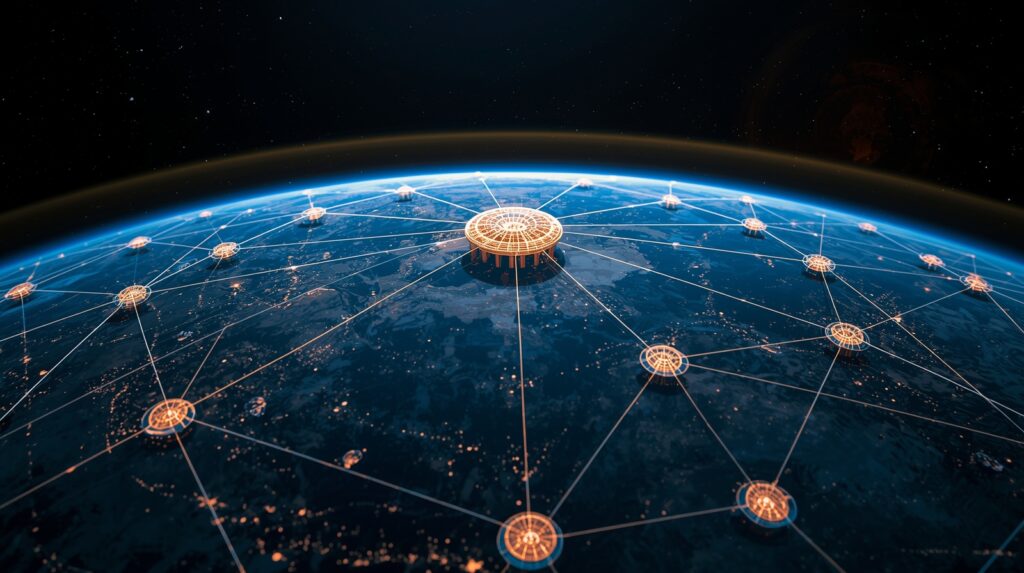

The international system has experienced significant transformation since the end of the Cold War. For nearly three decades, the world functioned largely under a unipolar structure led by the United States. However, by the 2020s, power began to redistribute among multiple actors — economic, military, and technological — marking the emergence of a multipolar world.
This article examines the structural evolution from unipolarity to multipolarity. It analyzes the economic, political, and strategic dimensions that define this transition and explores how emerging powers, regional organizations, and technological developments are reshaping the foundations of the global order.
2. Understanding Polarity in International Relations
2.1 Definition of Polarity
- Polarity refers to the distribution of power among major states in the international system.
- It determines how influence and decision-making authority are organized globally.
- Systems are often categorized as unipolar, bipolar, or multipolar based on power concentration.
2.2 Unipolarity Explained
- A unipolar world exists when one state holds dominant capabilities in military, economic, and political dimensions.
- The unipolar power sets norms, leads global institutions, and manages collective security.
- The United States occupied this position after the Cold War, influencing international rules and markets.
2.3 Multipolarity Explained
- A multipolar system consists of several major powers with comparable influence.
- Decision-making becomes decentralized, with alliances shifting based on interests.
- Multipolarity can increase flexibility but also introduces competition and uncertainty.
3. The Rise of the Unipolar World
3.1 Post-Cold War Context
- The dissolution of the Soviet Union in 1991 left the United States as the dominant power.
- Economic globalization expanded under Western-led institutions such as the IMF, World Bank, and WTO.
- Security arrangements like NATO reinforced the unipolar structure in the political and military domains.
3.2 Economic and Technological Leadership
- The U.S. dollar became the foundation of global finance.
- American corporations and innovation networks shaped global markets.
- Digitalization and liberalization policies extended the reach of the unipolar system.
3.3 Strategic Consequences
- The unipolar era allowed the spread of liberal democratic and market-oriented models.
- The United States maintained global military presence through alliances and bases.
- International law and institutions often reflected U.S. preferences and strategic priorities.
4. Signs of Change in the Global Structure
4.1 Economic Redistribution
- Emerging economies such as China, India, and Brazil increased their share of global GDP.
- Trade diversification reduced reliance on Western markets.
- Regional financial mechanisms began challenging global institutions.
4.2 Strategic Overextension
- U.S. military commitments and economic interventions generated domestic and international fatigue.
- Long-term conflicts strained resources and public support.
- Other states began to pursue independent strategies, signaling a shift toward autonomy.
4.3 Rise of Regional Leadership
- Regional powers developed their own influence zones through trade, infrastructure, and security cooperation.
- Initiatives such as China’s Belt and Road, the African Continental Free Trade Area, and ASEAN integration reflected this trend.
- Multipolarity emerged through regional consolidation rather than direct confrontation.
5. The Emergence of Multipolarity
5.1 Structural Indicators
- Power distribution across multiple centers of influence in Asia, Europe, and the Global South.
- Strategic partnerships and alliances without fixed ideological alignment.
- Economic and military diversification beyond traditional Western control.
5.2 The BRICS Platform
- Brazil, Russia, India, China, and South Africa established a cooperative framework emphasizing financial independence.
- The New Development Bank and reserve arrangements provided alternatives to Western-led finance.
- BRICS+ expansion reflects broader participation from developing regions.
5.3 Regional Blocs and Integration
- The European Union strengthened institutional capacity for autonomous diplomacy.
- ASEAN advanced economic coordination and security dialogue within Asia.
- The African Union pursued continental integration and collective negotiation mechanisms.
6. Economic Dimensions of the Power Shift
6.1 Trade Diversification
- Trade networks expanded toward Asia, Africa, and Latin America.
- South-South cooperation increased intra-regional commerce.
- Supply chains became more resilient through diversification.
6.2 Currency and Finance
- The U.S. dollar remains central but faces gradual competition from regional currencies.
- Bilateral and multilateral settlement systems bypass traditional financial intermediaries.
- Central banks diversify reserves through gold and digital assets.
6.3 Technological Competition
- Emerging economies invest heavily in innovation and digital infrastructure.
- Competition in artificial intelligence, semiconductors, and telecommunications defines new power hierarchies.
- Technology transfer and intellectual property policies become instruments of strategic influence.
7. Political and Diplomatic Reconfiguration
7.1 Decline of Ideological Homogeneity
- Multipolarity allows for diverse governance systems without global ideological dominance.
- States pursue pragmatic diplomacy based on interest alignment rather than ideology.
- Flexibility enables coalition-building across different governance models.
7.2 New Diplomatic Platforms
- Regional summits and multilateral forums complement traditional institutions.
- The G20 emerged as a representative framework balancing developed and emerging economies.
- Non-aligned and middle powers expand mediation and negotiation roles.
7.3 Strategic Autonomy
- Countries seek independence in defense, technology, and energy policy.
- European strategic autonomy discussions illustrate adaptation within alliances.
- Regional security initiatives reduce reliance on external powers.
8. Military Balance and Security Architecture
8.1 Redistribution of Military Capability
- Defense modernization across Asia and Europe diversifies the global balance.
- China and India enhance regional security roles through naval expansion and defense cooperation.
- Russia maintains influence through energy leverage and security partnerships.
8.2 Multipolar Deterrence
- The diffusion of advanced technology increases deterrence complexity.
- Regional power balances reduce dominance by any single actor.
- Security interdependence encourages localized stability mechanisms.
8.3 Collective Security and Regional Systems
- Multilateral defense agreements and regional coalitions emerge alongside global institutions.
- Peacekeeping and crisis response increasingly involve regional actors.
- Security cooperation integrates military, economic, and technological dimensions.
9. The Role of Technology in the New Order
9.1 Digital Infrastructure Competition
- Control over digital networks influences information flow and economic development.
- Competing standards for 5G, cloud computing, and cybersecurity reflect strategic competition.
- Investment in data sovereignty strengthens national digital independence.
9.2 Artificial Intelligence and Automation
- AI enhances national capacity in defense, logistics, and governance.
- Collaboration and competition shape international research networks.
- Regulatory standards determine global leadership in technological ethics and governance.
9.3 Energy Transition and Innovation
- Renewable energy technologies redefine energy geopolitics.
- Investment in clean energy aligns with industrial diversification.
- Technological cooperation becomes a channel for diplomatic engagement.
10. Regional Case Studies
10.1 Asia-Pacific
- China’s Belt and Road Initiative connects Asia, Europe, and Africa through infrastructure.
- India promotes connectivity through regional partnerships and trade corridors.
- Japan and South Korea pursue technological and financial leadership in cooperation with Western economies.
10.2 Europe
- The European Union strengthens its strategic capacity while maintaining transatlantic ties.
- Internal diversification in defense and energy policy reflects multipolar adaptation.
- Relations with Asia and Africa expand beyond trade to include sustainability and technology.
10.3 The Global South
- Africa and Latin America emerge as strategic partners for infrastructure and resources.
- Investment and development projects diversify global economic participation.
- Regional leadership enhances negotiation leverage in global forums.
11. Institutional Transformation
11.1 Reform of Global Governance
- Calls for reform in the United Nations, IMF, and World Bank reflect shifting influence.
- Emerging economies demand equitable representation and decision-making authority.
- Regional institutions complement but also challenge global frameworks.
11.2 Multipolar Diplomacy
- Diplomacy becomes networked and multilateral rather than centralized.
- States engage in multiple overlapping alliances based on shared interests.
- Non-state actors, corporations, and cities participate in global governance processes.
11.3 Global Cooperation Mechanisms
- Coordination on health, climate, and technology requires flexible frameworks.
- Issue-based coalitions replace traditional blocs.
- Adaptability becomes a key factor in maintaining stability.
12. Challenges in the Multipolar Transition
12.1 Coordination Complexity
- Decision-making involves multiple centers of power with divergent priorities.
- Institutional overlap creates inefficiency and inconsistency.
- Consensus-building becomes slower and more transactional.
12.2 Risk of Fragmentation
- Competing trade regimes and standards can divide global markets.
- Digital and financial decoupling risks parallel systems with limited interoperability.
- Strategic miscommunication increases potential for miscalculation.
12.3 Security Tensions
- Regional rivalries intensify as power distribution changes.
- Arms competition and territorial disputes continue to challenge cooperation.
- Stability relies on communication channels and conflict prevention mechanisms.
13. Economic Cooperation in a Multipolar System
13.1 Regional Value Chains
- Production and trade networks decentralize through regional specialization.
- Local manufacturing and innovation reduce global dependency.
- Integration strengthens resilience against external disruptions.
13.2 Infrastructure Connectivity
- Multilateral financing supports global infrastructure through competing initiatives.
- Infrastructure diplomacy becomes a central element of economic influence.
- Connectivity corridors link trade, energy, and digital networks.
13.3 Sustainable Development Agenda
- Economic growth aligns with environmental and social objectives.
- Green finance and technology transfer integrate sustainability into trade.
- Cooperation frameworks address energy transition and climate adaptation.
14. The Role of Middle Powers
14.1 Defining Middle Power Strategy
- Middle powers use diplomacy, trade, and mediation to influence regional stability.
- They act as connectors between larger powers.
- Policy flexibility allows adaptation to shifting alliances.
14.2 Examples of Middle Power Engagement
- States such as Turkey, Indonesia, and Mexico increase roles in mediation and trade.
- Regional cooperation enhances their negotiation capacity in global forums.
- Middle powers balance relationships between competing blocs.
14.3 Contribution to Global Stability
- Mediation initiatives reduce escalation in regional conflicts.
- Economic interdependence supports global market stability.
- Middle powers promote inclusive dialogue within multilateral institutions.
15. The Future of Global Order
15.1 Patterns of Multipolar Stability
- Stable multipolarity requires balanced influence and transparent communication.
- Economic interdependence and institutional reform promote predictability.
- Collaborative frameworks may prevent power fragmentation.
15.2 Innovation and Adaptation
- Global order adapts through new governance models and technological integration.
- Hybrid institutions combine state and private participation.
- Policy innovation becomes a strategic tool for influence.
15.3 Long-Term Outlook
- The multipolar order will likely remain dynamic and regionally diverse.
- Cooperation and competition will coexist across economic and strategic domains.
- The future depends on the capacity of states to manage interdependence and maintain dialogue.